Metabolic dysfunction is a growing health concern that affects energy levels, body composition, hormone balance, and long term wellness. Many people follow healthy diets and stay physically active yet continue to struggle with weight gain, fatigue, poor recovery, and slow progress. This disconnect often leads to frustration because the underlying issue is not behavior alone. It is biology.
Medical clinics approach metabolic dysfunction differently. Instead of focusing only on calories or exercise volume, clinics examine how the body regulates energy at the hormonal, cellular, and metabolic levels. Clinics like Synergy Release Sports treat metabolic dysfunction as a systems level imbalance that requires personalized and medically guided care.
This article explains in detail how clinics treat metabolic dysfunction, how they diagnose root causes, and why a clinical approach differs from conventional weight loss or wellness programs.

Understanding Metabolic Dysfunction
Metabolism refers to the collection of chemical processes that allow the body to convert food into energy, regulate blood sugar, maintain muscle, store fat, and repair tissues. When metabolism functions properly, the body adapts efficiently to changes in diet, activity, and stress.
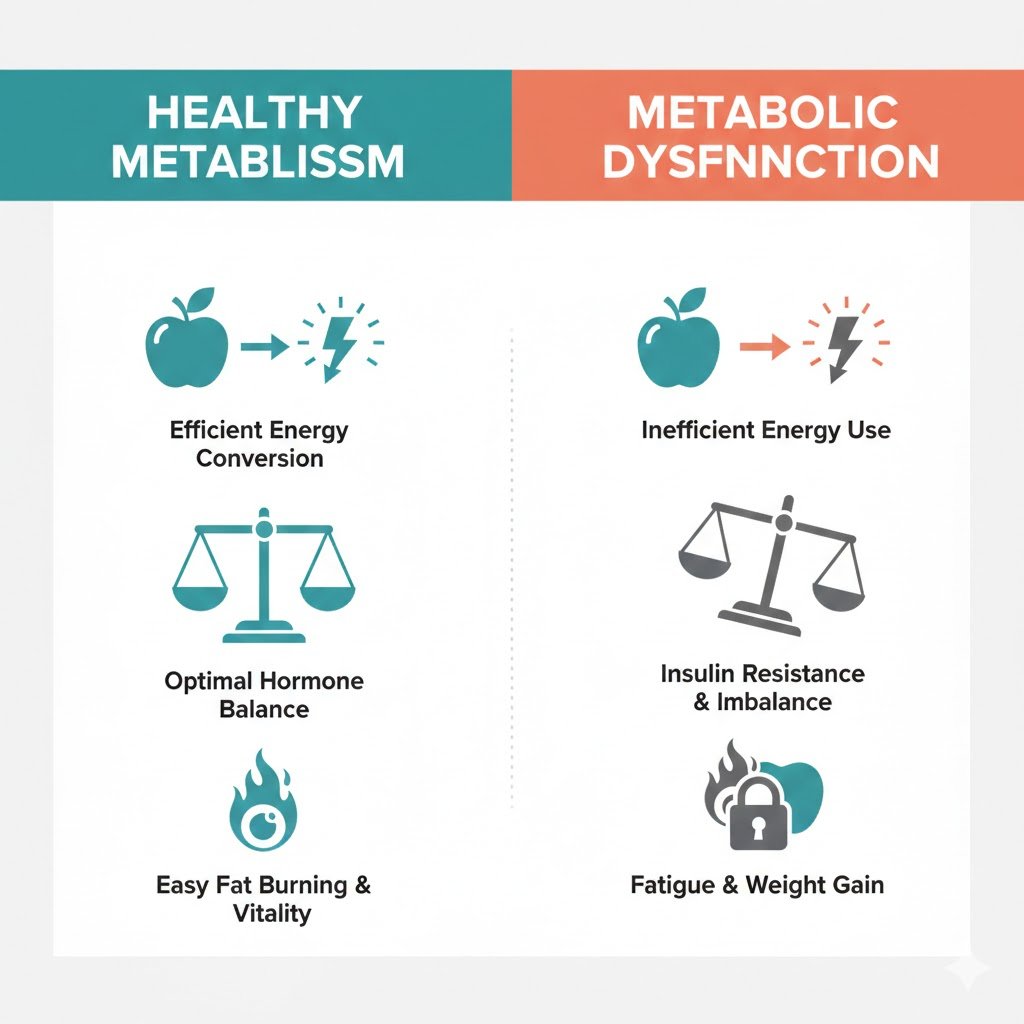
Metabolic dysfunction occurs when these processes lose coordination. The body becomes less responsive to signals that regulate energy use and storage. Over time, this leads to weight gain, insulin resistance, chronic fatigue, inflammation, and reduced physical performance.
What Metabolism Really Controls
Metabolism influences far more than body weight. It affects energy production, hormone signaling, immune response, cognitive function, and recovery capacity. A healthy metabolism allows the body to shift smoothly between burning carbohydrates and fats based on demand.
When metabolic signaling breaks down, the body prioritizes energy conservation. Fat storage increases, muscle preservation declines, and energy availability drops.
How Metabolic Dysfunction Develops Over Time
Metabolic dysfunction rarely appears suddenly. It develops gradually through a combination of aging, chronic stress, hormonal changes, inflammation, poor sleep, and repeated metabolic stress. Even individuals who maintain healthy habits can experience metabolic decline if internal regulation systems weaken.
Common Causes of Metabolic Dysfunction
Hormonal Imbalances
Hormones act as messengers that coordinate metabolic activity. Insulin, cortisol, thyroid hormones, testosterone, estrogen, and growth related hormones all influence how the body processes energy.
When hormone levels fall outside optimal ranges, metabolic efficiency declines. Fat storage increases while muscle maintenance becomes more difficult. Clinics focus on restoring balanced hormone signaling rather than suppressing symptoms.
Insulin Resistance
Insulin resistance occurs when cells become less responsive to insulin. Glucose remains in the bloodstream instead of entering cells for energy. In response, the body produces more insulin, which promotes fat storage and suppresses fat breakdown.
Clinics often identify insulin resistance as a primary driver of metabolic dysfunction, even in individuals who do not have diabetes.
Chronic Inflammation
Low grade inflammation interferes with metabolic signaling and cellular energy production. Inflammation disrupts hormone receptors and increases fatigue. Over time, chronic inflammation reduces metabolic flexibility and recovery capacity.
Stress and Cortisol Dysregulation
Prolonged stress keeps cortisol levels elevated. Cortisol signals the body to conserve energy and store fat. When cortisol remains high for extended periods, it suppresses fat loss and slows metabolic rate.
How Clinics Diagnose Metabolic Dysfunction
Accurate diagnosis is the foundation of effective treatment. Clinics rely on comprehensive evaluation rather than assumptions.
Detailed Health History Assessment
Clinicians review lifestyle patterns, stress exposure, sleep quality, injury history, training load, and previous medical conditions. This context helps identify patterns that contribute to metabolic stress.
Advanced Laboratory Testing
Medical clinics use blood testing to assess metabolic and hormonal markers, including insulin sensitivity, thyroid function, inflammatory indicators, and sex hormone balance. These results reveal dysfunction that routine physical exams often miss.
Body Composition and Metabolic Analysis
Body composition analysis provides insight into lean muscle mass, fat distribution, and metabolic rate. This information helps clinics understand how the body is adapting and where intervention is needed.
Clinical Approaches to Treating Metabolic Dysfunction
Hormone Regulation and Optimization
Hormones play a central role in metabolic control. Insulin, cortisol, thyroid hormones, testosterone, estrogen, and growth related hormones act as signals that guide energy use and storage.
Clinics focus on restoring proper hormone signaling by identifying imbalances and addressing how those imbalances affect metabolism. Rather than suppressing symptoms, clinicians aim to improve communication between hormones and metabolic pathways.
In many cases, clinics rely on medical therapies that support hormone balance to restore metabolic signaling, improve energy regulation, and reduce resistance to fat metabolism. These therapies help the body respond more effectively to hormonal cues instead of forcing short term metabolic changes.
As hormonal balance improves, patients often experience greater energy stability, improved metabolic flexibility, and better preservation of lean muscle mass.
Metabolic Support Therapies
Some clinics incorporate advanced metabolic support therapies that improve cellular communication and metabolic signaling. These therapies focus on enhancing how cells respond to hormonal and metabolic cues.
Medical Weight Management Protocols
Clinical weight management differs from dieting. The goal is not rapid weight loss but metabolic repair. Clinics prioritize muscle preservation, insulin sensitivity, and inflammation reduction to support sustainable outcomes.
The Role of Cellular Health in Metabolism
Mitochondrial Function and Energy Production
Mitochondria generate energy within cells. When mitochondrial function declines, metabolism slows. Clinics support mitochondrial health to improve cellular energy output and metabolic performance.
Lean Muscle Mass and Metabolic Rate
Muscle tissue plays a critical role in glucose utilization and metabolic rate. Clinics emphasize strategies that preserve and support lean muscle during metabolic treatment.
Lifestyle Optimization in Clinical Care
Nutrition Guided by Metabolic Data
Clinics develop nutrition strategies based on metabolic response rather than generic meal plans. This approach reduces metabolic stress and supports hormonal balance.
Movement Prescriptions for Metabolic Repair
Exercise recommendations are individualized. Excessive training can worsen metabolic dysfunction, while targeted movement supports insulin sensitivity and recovery.
Sleep and Nervous System Regulation
Sleep quality directly affects hormone regulation and metabolism. Clinics address sleep disruption and nervous system overload as part of metabolic treatment.
Why Clinics Use a Personalized Treatment Model
Metabolic dysfunction does not follow a single pattern. Two individuals may share similar symptoms yet have very different underlying biological causes. For this reason, clinics avoid standardized treatment plans and instead rely on personalized care models that reflect individual metabolic needs.
Personalized care allows clinicians to interpret laboratory findings, symptom presentation, lifestyle factors, and metabolic response together. This approach improves accuracy and reduces the risk of overlooking contributing factors that can slow metabolic recovery.
Personalized care allows clinics to apply physician guided metabolic treatment based on laboratory data, symptom patterns, and individual metabolic response. This method supports more precise metabolic regulation and improves the body’s ability to adapt over time.
Long Term Monitoring and Adjustments
Metabolic health changes over time. Clinics monitor progress through follow up testing and clinical evaluation. Adjustments ensure continued adaptation and prevent plateaus.
How Clinics Differ From Conventional Weight Loss Programs
Traditional programs emphasize behavior modification alone. Clinics focus on restoring biological regulation. By addressing hormonal signaling, cellular health, and metabolic efficiency, clinics treat root causes rather than symptoms.
Conclusion
Metabolic dysfunction reflects a breakdown in energy regulation rather than a lack of discipline. Clinics treat metabolic dysfunction by identifying internal imbalances, restoring metabolic signaling, and supporting long term cellular health. Through personalized, physician guided care, medical clinics offer a sustainable path toward improved metabolic function and overall wellness.
Frequently Asked Questions
What is metabolic dysfunction
Metabolic dysfunction occurs when the body cannot efficiently regulate energy production, hormone signaling, and fat metabolism.
Can metabolic dysfunction happen even with a healthy lifestyle
Yes. Hormonal changes, chronic stress, and aging can disrupt metabolism despite healthy habits.
Why do clinics rely on blood testing
Blood testing reveals metabolic and hormonal imbalances that symptoms alone cannot explain.
How long does metabolic treatment take
Improvement timelines vary, but metabolic adaptation typically occurs gradually with consistent care.
Is metabolic dysfunction the same as weight gain
No. Weight gain is a symptom, while metabolic dysfunction is the underlying biological imbalance.