


To get rid of sore leg muscles, improve circulation, control inflammation, restore fluid balance, and support cellular repair through strategic recovery methods. Light aerobic movement increases oxygen delivery, cold therapy reduces acute inflammatory response, proper hydration restores electrolyte stability, and targeted mobility prevents stiffness from worsening. When discomfort persists beyond the normal repair window, professional assessment identifies mechanical overload or neuromuscular inefficiency that slows recovery.
Leg muscle soreness develops when physical stress disrupts muscle fibers and triggers localized inflammatory signaling. Research published in sports medicine literature shows that recovery interventions that increase blood flow can reduce perceived soreness by up to 30 percent within 48 hours. Strategic recovery not only reduces discomfort but also improves tissue resilience, neuromuscular coordination, and future performance capacity in the lower extremities.
Myalgia describes muscle pain resulting from tissue stress, metabolic accumulation, or neuromuscular strain within voluntary skeletal muscle. In the lower limbs, this condition commonly affects the quadriceps femoris, hamstring complex, gastrocnemius, and gluteal stabilizers following repetitive loading or eccentric contraction. Elevated biomarkers such as creatine kinase and inflammatory mediators signal that microtrauma has occurred and the repair process has begun. Clinical data indicates that exercise related muscle tenderness peaks between 24 and 72 hours after strain, reflecting active tissue remodeling rather than structural injury. While temporary sensitivity supports adaptation, prolonged discomfort may indicate impaired recovery capacity, vascular restriction, or altered movement mechanics requiring corrective intervention.
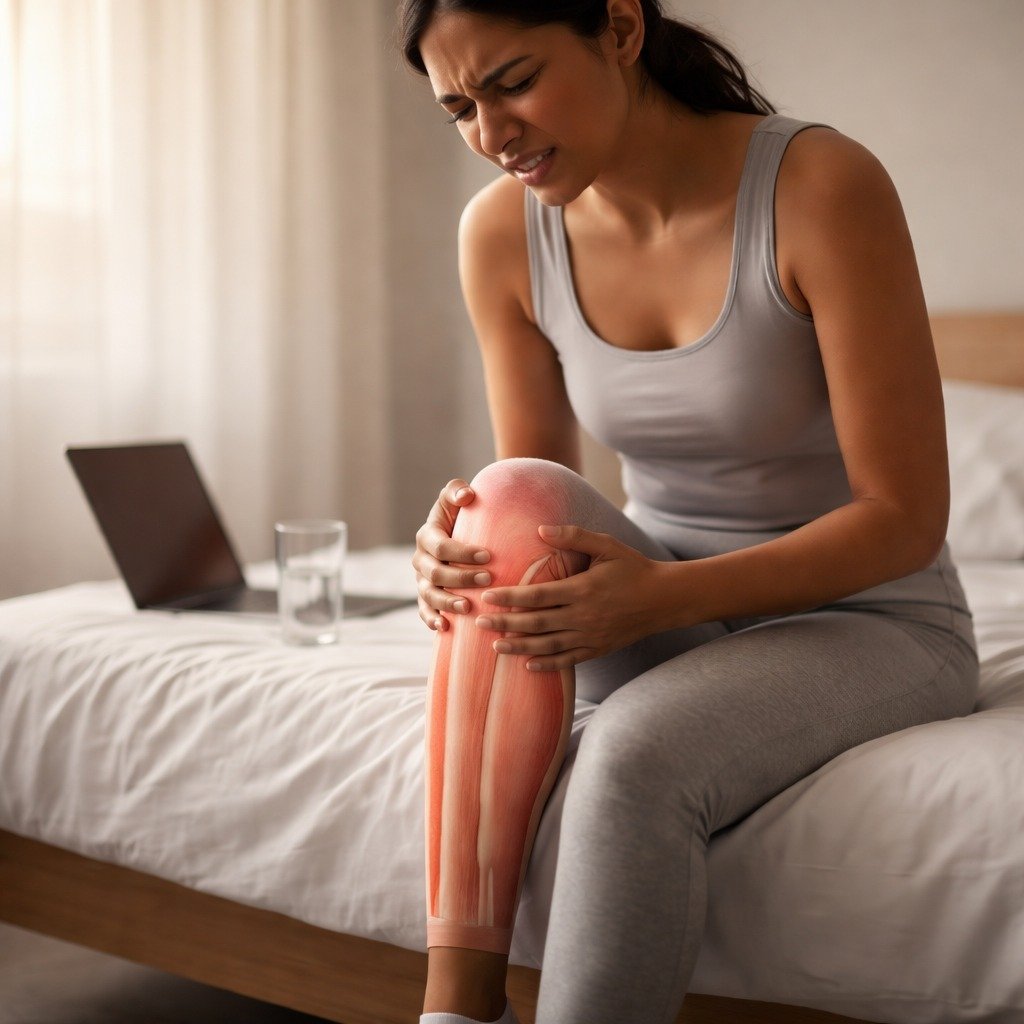
Leg muscles become sore when mechanical load exceeds current tissue capacity and triggers microscopic fiber disruption. Eccentric contractions such as downhill running or controlled lowering movements place high stress on muscle fibers, leading to structural strain and temporary inflammation. This response activates immune cells that release prostaglandins and cytokines, which increase sensitivity in local nerve endings. Studies in exercise physiology show that unaccustomed intensity increases soreness severity by nearly 40 percent compared to progressive training models.
Additional contributors include reduced circulation, glycogen depletion, neuromuscular fatigue, and joint mobility restriction. When stabilizing muscles fail to activate efficiently, larger muscle groups compensate, which amplifies post activity discomfort and delays functional recovery.
Aching legs can present with a range of physical sensations depending on the underlying cause. The following symptoms commonly accompany lower limb discomfort:
These symptoms help identify the pattern and intensity of lower extremity discomfort.
Fast relief depends on improving circulation, reducing inflammation, and restoring tissue function. The goal is to help muscle fibers recover efficiently while preventing stiffness from limiting mobility. Use the following evidence based strategies to accelerate recovery.
Light aerobic movement increases blood flow to stressed tissue. Brisk walking, low resistance cycling, or gentle swimming stimulates oxygen delivery without adding strain. Research in sports medicine shows that low intensity activity improves lactate clearance and reduces perceived soreness faster than complete rest. Controlled mobility drills also maintain joint range and prevent compensatory tension.
Muscle cells require adequate fluid balance for contraction and repair. Dehydration reduces circulation efficiency and increases cramp risk. Consistent water intake supports nutrient transport and metabolic waste removal. Adding electrolytes after heavy sweating helps maintain sodium and potassium balance, which improves neuromuscular signaling.
Applying cold within the first day limits excessive inflammatory response. Use a cold pack for ten to fifteen minutes at a time to reduce swelling and nerve sensitivity. Cooling constricts blood vessels temporarily, which helps manage acute tissue stress after intense training.
Once initial inflammation subsides, heat improves circulation and tissue elasticity. Warm compresses or controlled heat exposure relax muscle fibers and increase oxygen supply. Improved blood flow supports ongoing repair and reduces stiffness.
Sports massage plays a central role in athletic recovery because it targets performance related muscle stress. Targeted soft tissue treatment improves blood circulation, reduces fascial restriction, and restores functional muscle balance in high demand athletes. Sports Massage Therapy focuses on muscle groups heavily used in running, weight training, football, basketball, CrossFit, and endurance sports. By improving tissue elasticity and reducing post exercise tightness, athletes experience faster recovery between training sessions and improved performance output.
Myofascial Release improves connective tissue mobility around the quadriceps, hamstrings, and gastrocnemius. Neuromuscular Massage enhances motor control and coordination by improving nerve signaling efficiency. Trigger Point Therapy reduces localized hyperirritability in overworked fibers common in sprinters and strength athletes. Rapid Release Therapy and Percussion Therapy stimulate deep circulation and reduce recovery time after intense competition. Graston Technique supports collagen remodeling and tissue glide, giving athletes a measurable recovery advantage and reduced risk of recurrent strain.
The most effective home remedies for sore leg muscles improve circulation, reduce inflammation, relax tight tissue, and support natural muscle repair. You can relieve discomfort at home by combining movement, heat, hydration, and proper nutrition.
Consistent use of these home strategies reduces recovery time and improves overall muscle resilience.
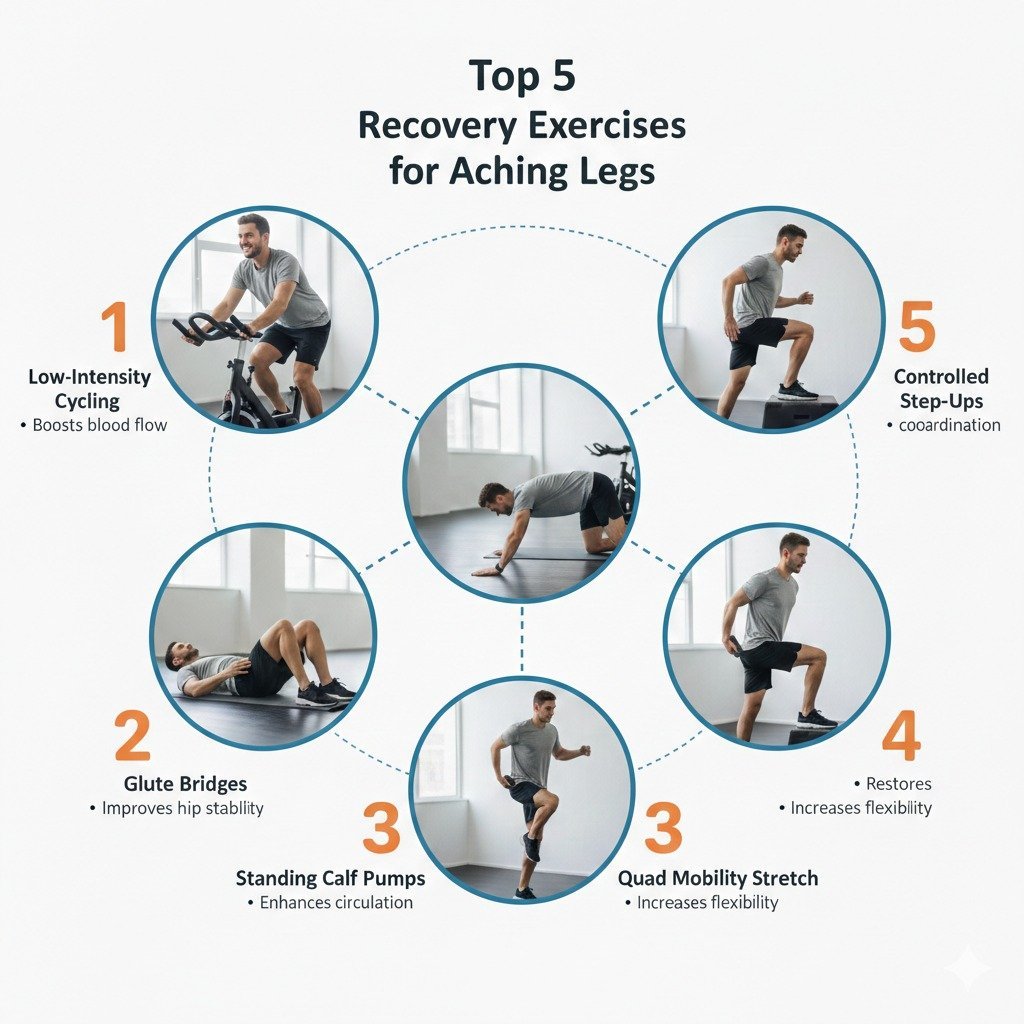
Targeted low intensity movement accelerates circulation and restores joint mobility without adding stress. The following exercises support recovery:
Perform each movement slowly and avoid pushing into sharp discomfort.
Muscle discomfort becomes concerning when pain intensity increases rather than improves over several days. Warning indicators include sharp localized pain during contraction, visible swelling, bruising, or weakness that affects balance and gait. Persistent numbness, radiating pain from the lower back into the leg, or significant strength loss may suggest nerve involvement. Severe calf tenderness combined with warmth and swelling requires immediate medical attention to rule out vascular complications. If symptoms interfere with daily function or athletic performance beyond one week, professional evaluation is strongly recommended.
Prevention requires structured training progression and recovery planning. Gradually increasing workload allows muscle fibers to adapt without excessive inflammation. Dynamic warm up routines prepare the neuromuscular system for force production and reduce injury risk. Strengthening stabilizing muscles such as the gluteus medius improves lower limb alignment and load distribution. Maintaining ankle and hip mobility prevents compensatory strain in larger muscle groups. Consistent hydration, balanced nutrition, and scheduled recovery sessions improve tissue resilience. Athletes who follow periodized training models experience fewer episodes of excessive post activity soreness.
Professional sports chiropractic care addresses mechanical dysfunction that often prolongs muscle discomfort. Joint assessment identifies mobility restrictions that overload surrounding tissue. Chiropractic adjustments improve segmental motion and restore normal force distribution. Advanced diagnostic evaluation helps detect muscle inhibition patterns that reduce performance efficiency. Integrating soft tissue therapy with corrective exercise retrains movement mechanics and reduces recurrence. Clinical recovery technologies enhance cellular repair and circulation beyond what home care can achieve alone. Structured treatment plans shorten recovery time and optimize athletic output.
Muscle soreness reflects adaptation, but unmanaged discomfort slows progress and increases injury risk. Strategic recovery improves tissue repair, neuromuscular efficiency, and long term performance capacity. By combining intelligent training progression, proper nutrition, mobility work, and advanced therapeutic support, athletes maintain consistency and reduce downtime. The key is proactive care rather than reactive treatment. When recovery becomes part of the performance plan, stronger movement, improved endurance, and better resilience naturally follow.

6495 Shiloh Rd STE 110 Alpharetta, GA 30005
Phone: (770) 740-9200
Office Hours:
Mon – Thu: 9:00 AM – 6:00 PM
Fri: 9:00 AM – 2:30 PM
Sat: 9:00 AM – 12:00 PM
Sun: Closed
3565 Piedmont Rd NE BLDG 2, Suite 310
Atlanta, GA 30305
Office Hours:
Mon : 8:30 AM – 5:30 PM
Tue: 9:00 AM – 6:00 PM
Wed: 8:30 AM – 2:00 PM
Thu: 8:30 AM – 6:00 PM
Fri : 9:00 AM – 2:00 PM
Sat – Sun: Closed