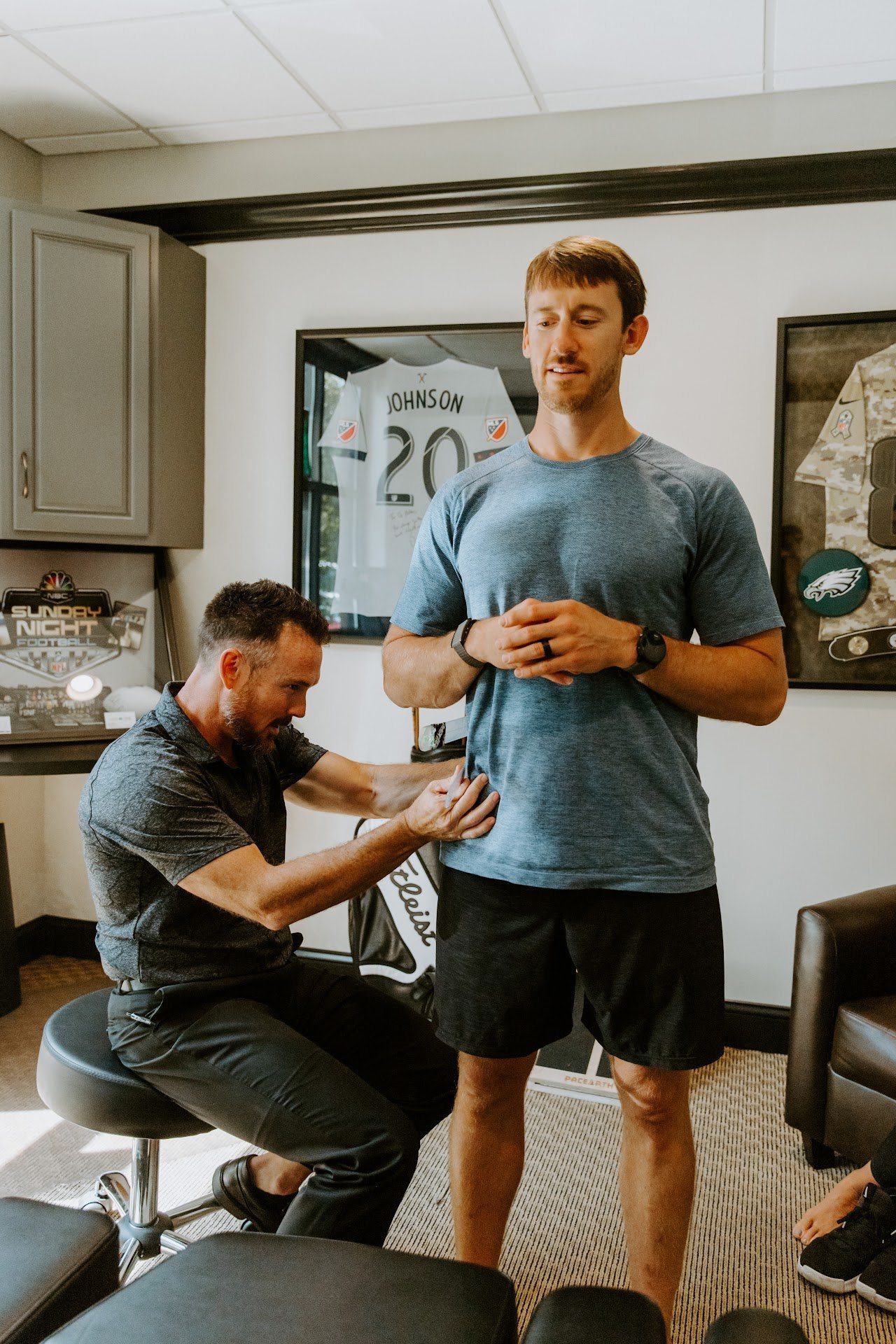
Massage therapy benefits athletes by reducing muscle soreness, accelerating tissue repair, improving circulation, enhancing flexibility, supporting nervous system recovery, lowering injury risk, and optimizing both physical and mental performance. When integrated into structured training programs, sports massage becomes a performance support tool rather than a luxury recovery option.
Athletic performance places repeated mechanical stress on muscle fibers, fascia, tendons, and neural pathways. Over time, cumulative microtrauma, metabolic fatigue, and neuromuscular strain can limit adaptation. Sports massage is designed to address these stress responses through targeted manual techniques that improve tissue quality, circulation, and autonomic balance. Its role in sports medicine continues to expand as research clarifies its physiological and neurological effects.
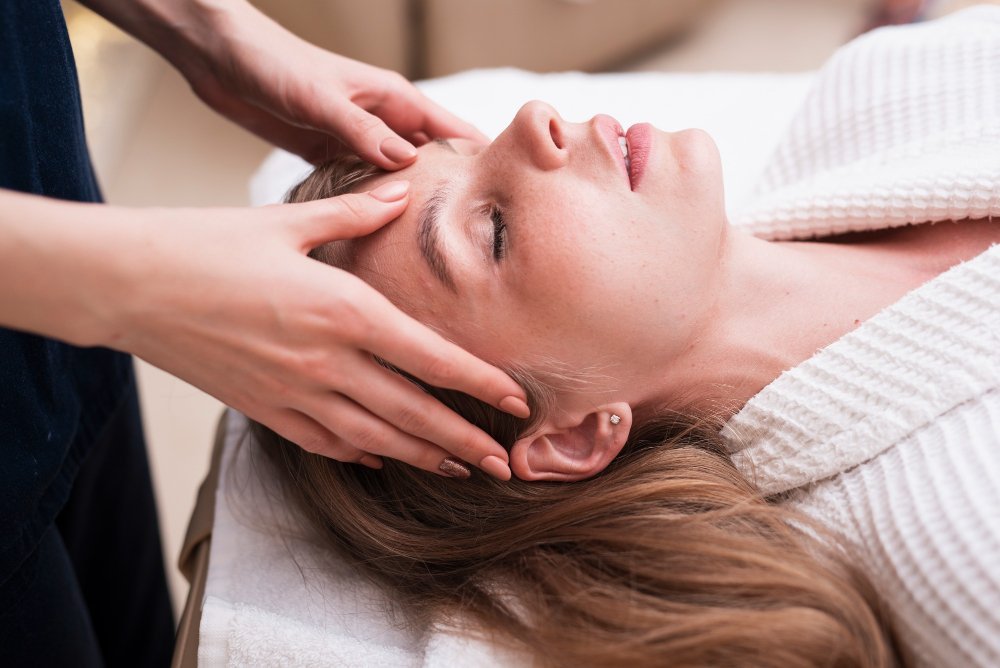
How Athletes Can Up Their Game With Regular Massages
Performance progression depends on recovery efficiency. When recovery is incomplete, force output declines, reaction time slows, and compensatory movement patterns increase injury risk. Regular massage therapy supports training adaptation by maintaining tissue extensibility and reducing residual neuromuscular tension between sessions.
Athletes who incorporate structured recovery strategies often sustain higher training intensity over longer periods. By improving muscle compliance and circulation, massage allows for more consistent execution of strength, endurance, and skill-based training. This consistency is a key driver of long-term athletic development and measurable performance improvement.
The Science of Massage: Why Athletes Swear By It
Sports massage influences both mechanical and neurophysiological systems. Mechanically, it reduces tissue stiffness by affecting muscle fibers and connective tissue layers. Neurologically, it stimulates mechanoreceptors that modulate pain perception through spinal gating mechanisms and central nervous system regulation.
Systematic reviews in sports medicine literature suggest massage can reduce perceived delayed onset muscle soreness and improve short-term flexibility following intense exercise. Emerging research also indicates potential effects on inflammatory signaling pathways and mitochondrial function, which may contribute to improved cellular recovery efficiency.
How It Works on the Body
Massage therapy applies controlled pressure, compression, and friction to soft tissues. This mechanical stimulation influences blood flow, lymphatic drainage, and fascial mobility. Improved circulation delivers oxygen and nutrients to muscle fibers while assisting in the removal of metabolic byproducts such as lactate and hydrogen ions that accumulate during intense activity.
At the neuromuscular level, massage can reduce excessive muscle tone by activating the parasympathetic nervous system. This shift from sympathetic dominance supports relaxation and recovery. By influencing proprioceptors and muscle spindle activity, massage may also enhance body awareness and coordination, factors that are essential in high performance sports.
Physical Benefits for Athletes
Massage therapy produces measurable physiological adaptations that directly influence strength, endurance, mobility, and injury resistance. By targeting muscle fibers, fascia, and connective tissue, sports massage improves recovery efficiency and supports biomechanical precision. These physical responses help athletes tolerate higher training loads while maintaining tissue integrity and movement quality.
Reduced Muscle Soreness and Fatigue
Sports massage helps mitigate delayed onset muscle soreness by reducing localized inflammation and improving circulation to stressed muscle groups. Improved metabolic clearance supports the removal of exercise byproducts, allowing muscles to recover with less residual stiffness and fatigue between sessions.
Increased Flexibility and Range of Motion
Massage enhances joint mobility by decreasing soft tissue restrictions around articulations and improving muscle extensibility. As tissue elasticity improves, athletes experience smoother functional movement patterns, which support efficient force transfer and reduce compensatory strain during sport specific activity.
Improved Circulation and Oxygenation
Manual pressure stimulates enhanced vascular perfusion, increasing blood flow to active tissues. This improved circulation supports oxygen delivery and ATP production, which are essential for sustained muscular contraction, endurance output, and post exercise cellular recovery.
Faster Tissue Repair and Recovery
Massage may assist protein synthesis by promoting circulation and optimizing the local recovery environment within muscle tissue. By supporting microtear repair following resistance training or high intensity effort, it contributes to structured tissue remodeling and progressive adaptation.
Enhanced Proprioception and Balance
Through neuromuscular feedback mechanisms, massage stimulates sensory receptors that improve body awareness and movement coordination. This heightened proprioception contributes to better joint stabilization, particularly during dynamic or high impact athletic tasks.
How Massage Benefits Athletes Off the Field
Athletic success depends on recovery systems beyond muscular repair. Massage therapy influences the nervous system, hormonal balance, and psychological resilience, all of which affect training consistency and competitive readiness. These off field benefits contribute to sustainable performance and long term athletic health.
Mental Recovery and Stress Reduction
Massage activates the parasympathetic nervous system, lowering cortisol levels and reducing psychological stress. This supports mental recovery after intense training and improves an athlete’s ability to reset between competitive demands.
Improved Sleep Quality
By decreasing physical discomfort and nervous system overstimulation, massage promotes deeper and more restorative sleep cycles. Quality sleep enhances growth hormone release, muscle repair, and cognitive recovery.
Immune System Support
Improved lymphatic circulation and reduced chronic stress can strengthen immune response during heavy training phases. Maintaining immune resilience helps athletes avoid interruptions caused by illness during demanding seasons.
Emotional Regulation and Focus
Massage contributes to emotional balance by calming stress responses and improving overall nervous system regulation. Athletes often experience improved concentration, clearer decision making, and better competitive composure.
Lifestyle Recovery and Overall Wellbeing
Consistent massage therapy supports holistic recovery by reducing accumulated tension and improving physical comfort. This enhances overall wellbeing, allowing athletes to maintain healthy routines, training discipline, and long term performance sustainability.
The Role of Massage in Sports Performance and Rehabilitation: Current Evidence and Future Direction
In modern sports medicine environments, massage therapy is often integrated alongside physical therapy, corrective exercise, and strength conditioning. Evidence supports its role in reducing perceived muscle soreness and improving short-term flexibility following competition.
Future research is exploring its impact on connective tissue remodeling, inflammatory modulation, and autonomic regulation. As standardized recovery protocols evolve, massage therapy is increasingly positioned as both a preventative strategy and a structured component of interdisciplinary athlete care.
Finding a Sports Massage Therapist
Athletes should seek therapists trained specifically in sports massage and musculoskeletal anatomy. Experience working with competitive athletes and understanding sport-specific demands are critical factors in therapist selection.
Effective therapists perform structured assessments, adapt pressure and technique to training phases, and coordinate with coaches or medical providers when appropriate.
How Often Should an Athlete Get a Massage?
Frequency depends on training intensity, competition schedule, and recovery needs. During high-load phases, weekly or biweekly sessions may help manage muscle tension and prevent overload.
In lower intensity phases, sessions may be spaced further apart. Monitoring soreness, flexibility, and performance markers helps determine individualized scheduling.
How Specialized Sports Massage Clinics Support Competitive Athletes
Specialized clinics often integrate massage therapy within comprehensive performance frameworks. Collaboration with strength coaches, sports physicians, and rehabilitation professionals allows for coordinated recovery planning.
Structured preseason, in-season, and post-event protocols ensure that massage aligns with competition cycles and performance goals. This integrated approach supports peak output while protecting long-term musculoskeletal health.